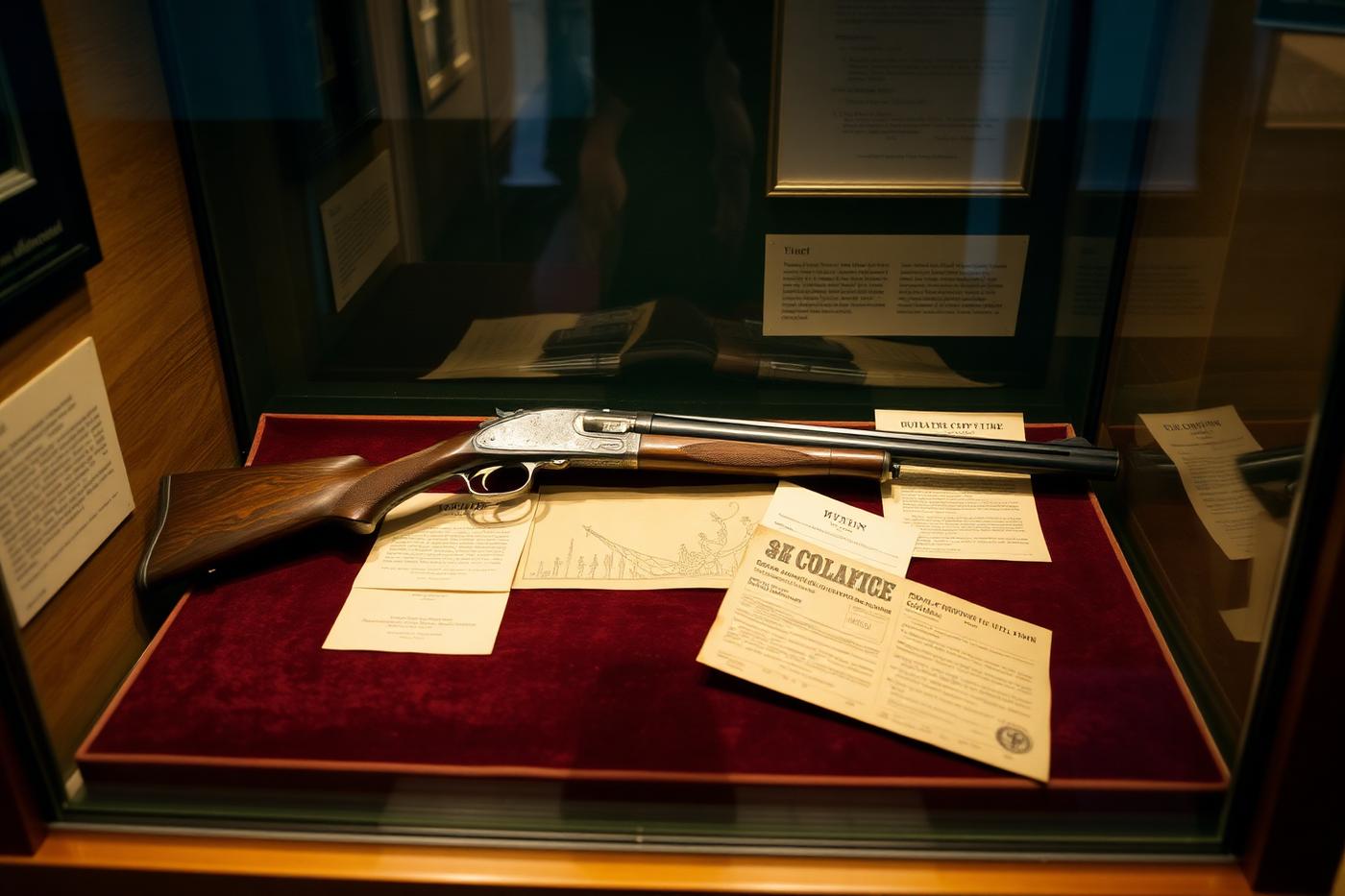
Secure the firearms first
Before anything else, make sure every firearm is secured and treated as loaded until verified otherwise. If you are not comfortable handling firearms, do not handle them — ask someone who is, or contact us and we will walk you through it.
Build a simple inventory
A basic written inventory makes every later decision easier.
- Manufacturer and model as marked on the firearm
- Caliber or gauge
- Type: handgun, rifle or shotgun
- Photographs of both sides, markings and any boxes or paperwork
- Any accessories, cases, manuals or receipts found with the firearms
Do not assume value in either direction
Families routinely assume that old means valuable and that common means worthless. Both assumptions cause losses. An unremarkable-looking rifle can be a scarce variant, and a dramatic-looking commemorative can be a standard production piece.
Then decide how to sell
You can sell one firearm, several, or the whole collection. We evaluate each firearm individually and present a single clear offer. We do not publish customer names, addresses or transaction details.
This is general information, not legal advice. Estate questions specific to your situation should go to the estate's attorney.
We Buy Your Guns Editorial
NTX FIREARMS LLC
Written and reviewed by the licensed firearm buying team at NTX FIREARMS LLC (FFL 5-75-121-08-7J-07693), with 20+ years of firearm buying and selling experience.
Updated 2026-05-30