Colt and its logo are trademarks of their owner, shown for identification only. We are an independent federally licensed buyer, not an authorised dealer.
Manufacturer value guide
Colt Firearm Values
Colt's Patent Fire Arms Manufacturing Company is one of the oldest and most collected American gunmakers, known for the Single Action Army revolver and the M1911 pistol.
Country
United States
Founded
1836
Models
6
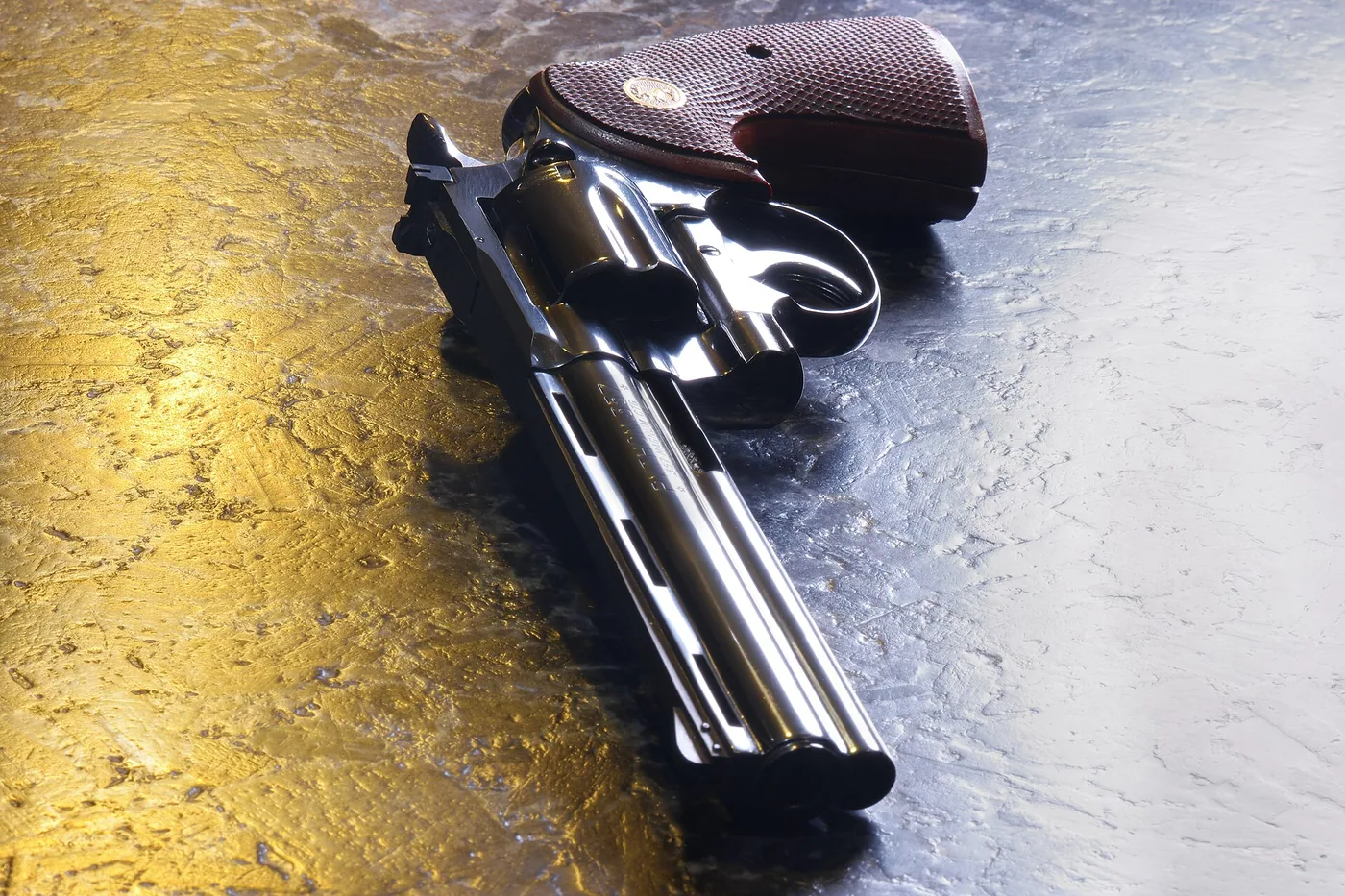
Colt Python — representative example, not a firearm sold by us.
Estimated Colt offer ranges
What Could We Pay for Your Colt?
Find your model below for a general estimated selling range, then submit a few details for your actual offer. These ranges reflect what common Colt models may typically sell for based on model, configuration, condition and current market demand.
Two firearms with the same model name can have very different values. Condition, exact variant, caliber, finish, included accessories, modifications and current market demand can all affect what we can pay.
The ranges above are intended to give you a useful starting point. Your actual offer is based on the firearm you submit.
Fair
Usually toward the lower portion of the range.
Good
Generally within the middle of the range.
Excellent
May qualify toward the higher end of the range.
Condition alone does not determine placement within a range. Variant, configuration, demand, modifications and included accessories can also materially affect value.
Estimated ranges are provided for general informational purposes and are not guaranteed purchase offers or appraisals. Actual offers depend on the exact firearm, variant, condition, configuration, accessories, current market conditions and other relevant factors. Pricing may change over time.
About Colt
Colt was founded by Samuel Colt in Paterson, New Jersey in 1836 before relocating to Hartford, Connecticut, where it became one of the defining names in American firearms manufacturing. The company's early success came from perfecting the revolving-cylinder mechanism, and its Hartford factory produced arms for the U.S. military through the Civil War, the western expansion era, and both World Wars. Colt's dual identity as both a military contractor and a maker of civilian sporting arms has made its production history unusually deep and well documented.
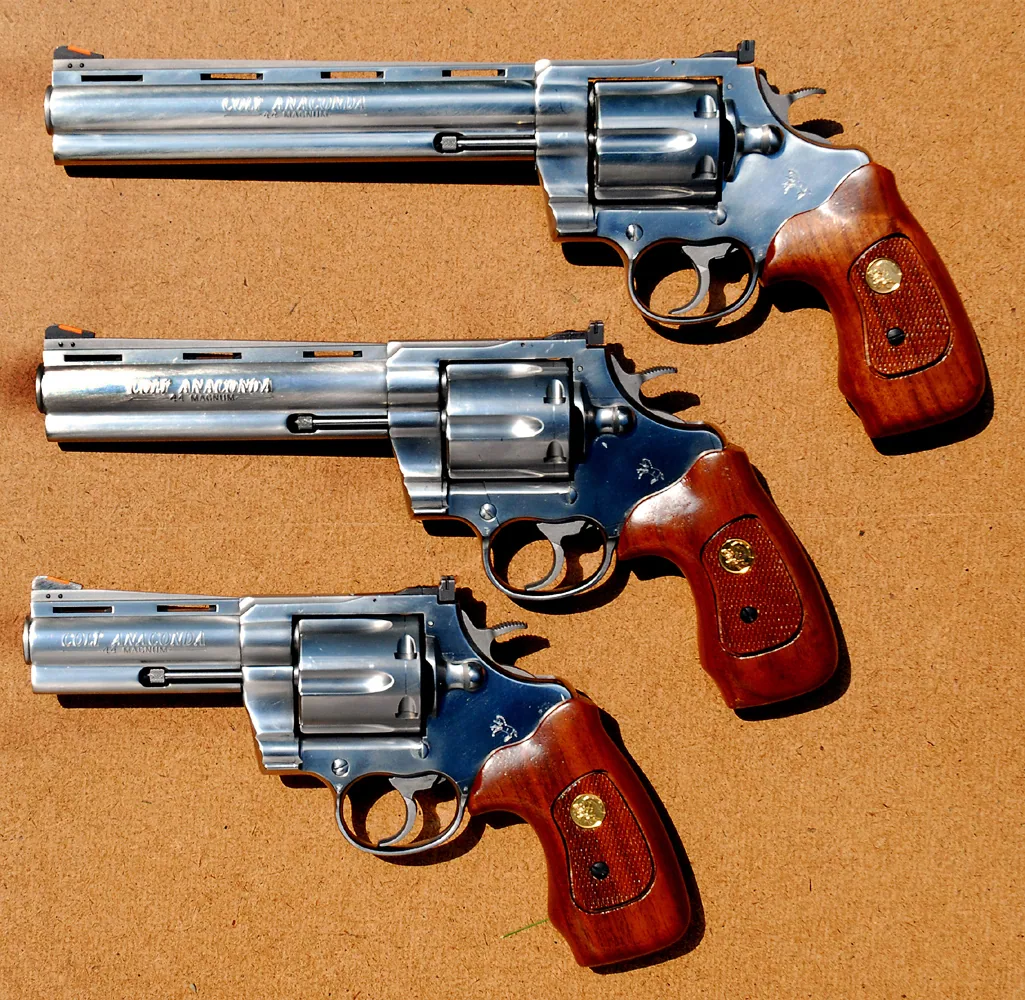
Collectors generally divide Colt interest into three broad areas: 19th-century percussion and cartridge revolvers such as the Single Action Army, Peacemaker variants, and Colt Walker; the double-action revolver lines including the Python, Detective Special, and Diamondback; and semi-automatic pistols descending from John Browning's M1911 design adopted by the U.S. Army in 1911. Colt also manufactured the M16 and AR-15 platform rifles under military and commercial contracts, giving the brand a significant footprint in modern military-surplus and semi-automatic-rifle collecting as well.
Because Colt has been in continuous or near-continuous production for nearly two centuries, dating and factory configuration matter enormously to how a given piece is evaluated. Serial number ranges, factory letters from the Colt Archive, and known production gaps (such as the Python's discontinuation and later reintroduction) all shape how a specific Colt firearm is understood relative to others of its type.
Models
Colt models we evaluate
Each model page explains the variations, markings and condition factors that move the number on that specific firearm.
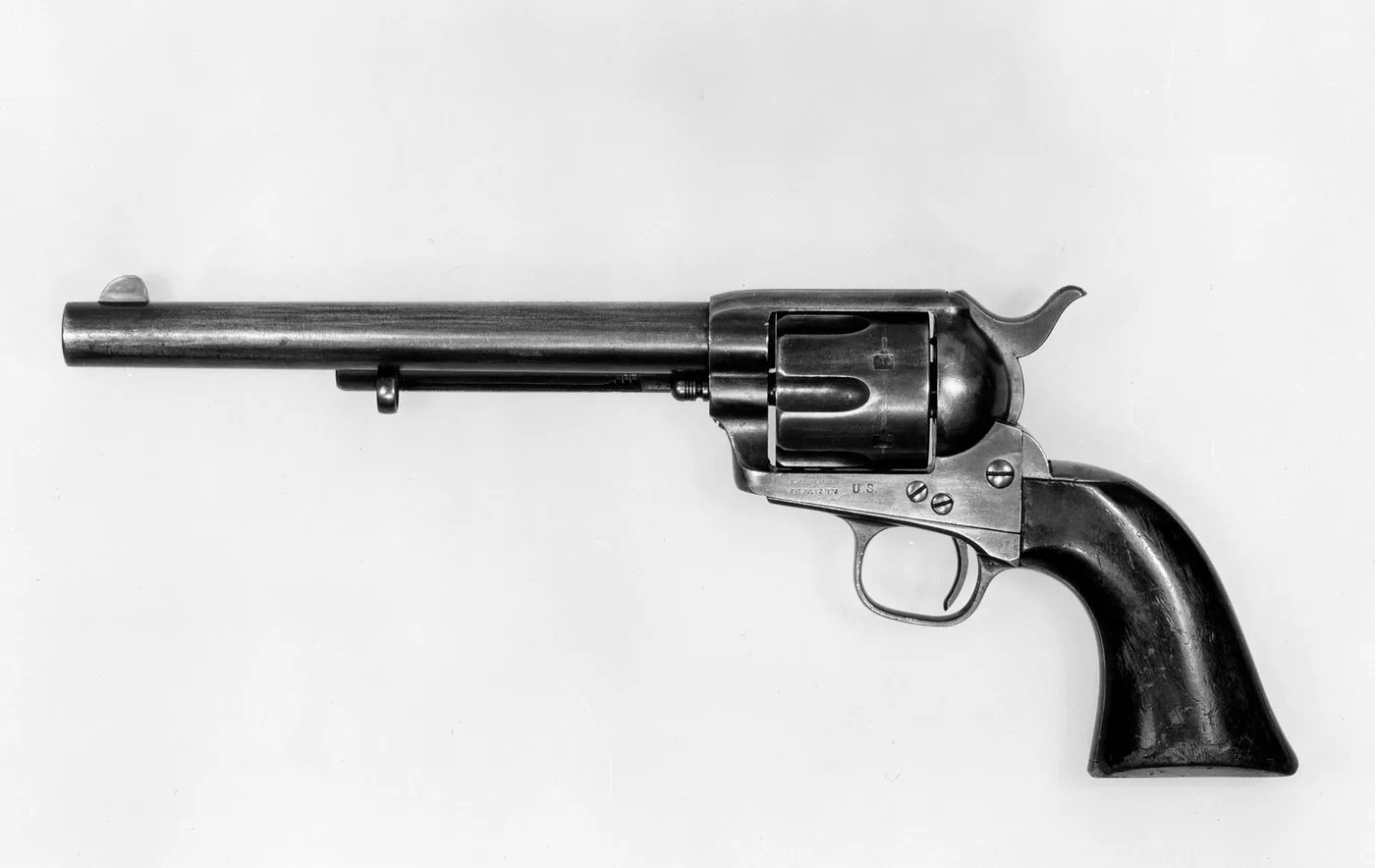
Cap-and-ball and cartridge single-action revolvers from the 19th and early 20th centuries, including the Single Action Army.
Double-action revolvers
Swing-out cylinder revolvers produced from the late 1800s through the 20th century, including the Python and Detective Special families.
Semi-automatic pistols
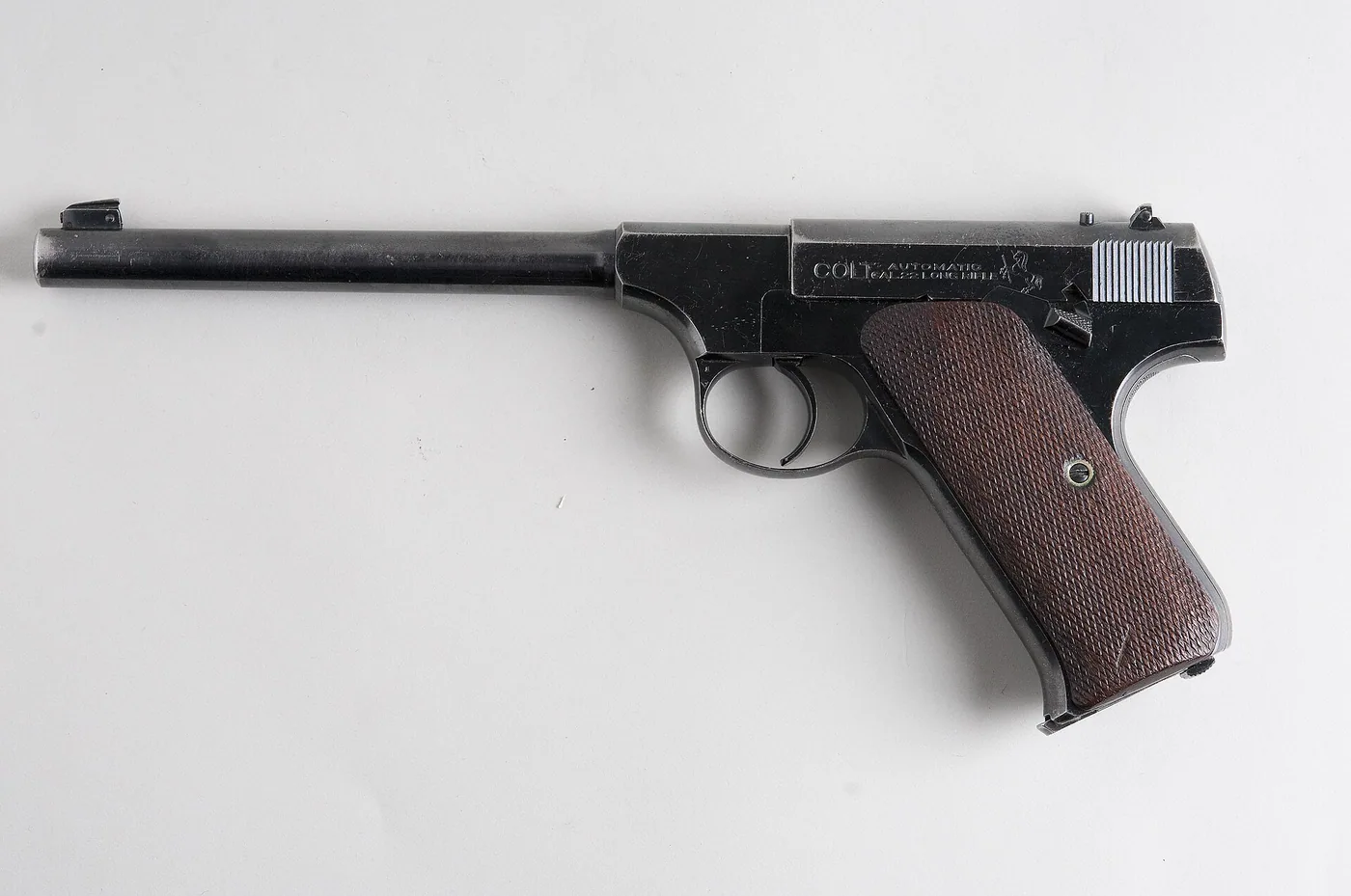
M1911 and M1911A1 pattern pistols in .45 ACP and other chamberings, produced for both military contract and commercial sale.
Military and law-enforcement rifles
M16, AR-15, and related select-fire and semi-automatic rifle platforms manufactured under government contracts and commercial licensing.
Valuation
What affects Colt firearm values
These are the characteristics we assess on the specific firearm in front of us — not a model-number price chart.
Factor 1
Production era and age
Colt's output spans pre-Civil War percussion arms, late-19th-century cartridge conversions, two World War contract periods, and modern production; the era of manufacture is the starting point for any assessment.
Factor 2
Condition
Bore condition, mechanical timing, finish wear, and the presence of pitting or corrosion all factor into how a Colt firearm compares to others of the same model and vintage.
Factor 3
Originality
Original blued or nickel finish, factory grips (including checkered walnut, hard rubber, or pearl on early models), and unaltered internal parts matter more than a bright refinish or replaced components.
Factor 4
Factory configuration and chambering
Barrel length, sight type, caliber, and factory-installed features vary widely across Colt's catalog, and a firearm's original factory configuration affects how it is categorized among collectors.
Factor 5
Special editions and engraving
Factory-engraved presentation guns, limited production runs, commemorative models, and documented military or law-enforcement issue pieces are treated as a distinct category from standard production.
Factor 6
Documentation
A Colt factory letter from the Colt Archive Properties confirming original configuration, shipping date, and destination is one of the most significant pieces of supporting material for older Colts, along with original boxes and manuals.
Factor 7
Collector demand
Certain model families, such as the Python and pre-war Single Action Army revolvers, draw sustained collector interest that shapes how examples are evaluated relative to less sought-after Colt products.
Notable Colt model families
Single Action Army
Colt's iconic 1873 cartridge revolver, produced across several generations, with early first-generation guns and documented military or historical association drawing the most collector attention.
Python
A double-action .357 Magnum revolver made from 1955 to the mid-2000s and reintroduced later, prized for its tight tolerances and factory royal blue or nickel finishes.
Detective Special
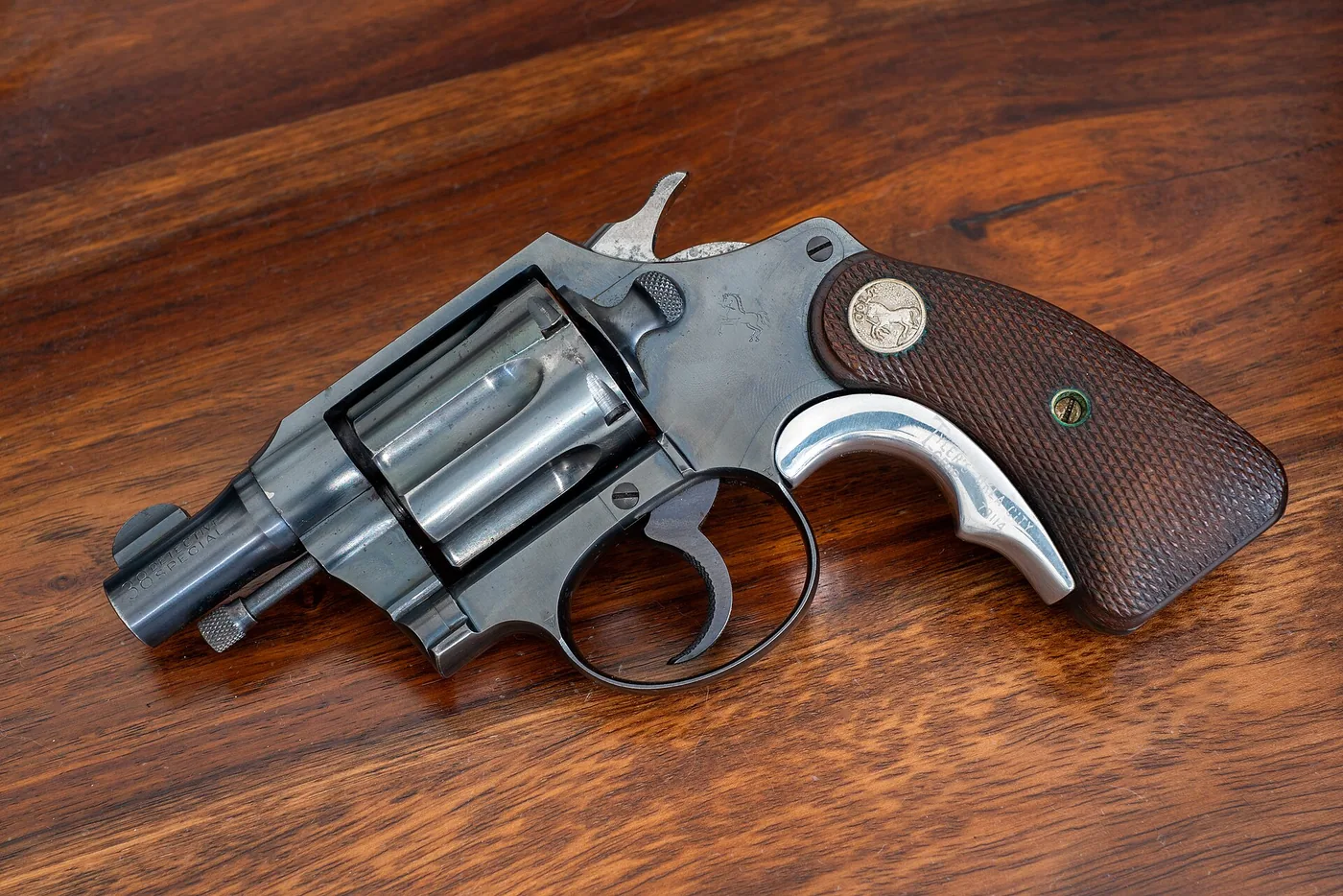
A compact double-action revolver produced for decades in various configurations, valued for early-frame variants and original finish condition.
1911 / 1911A1
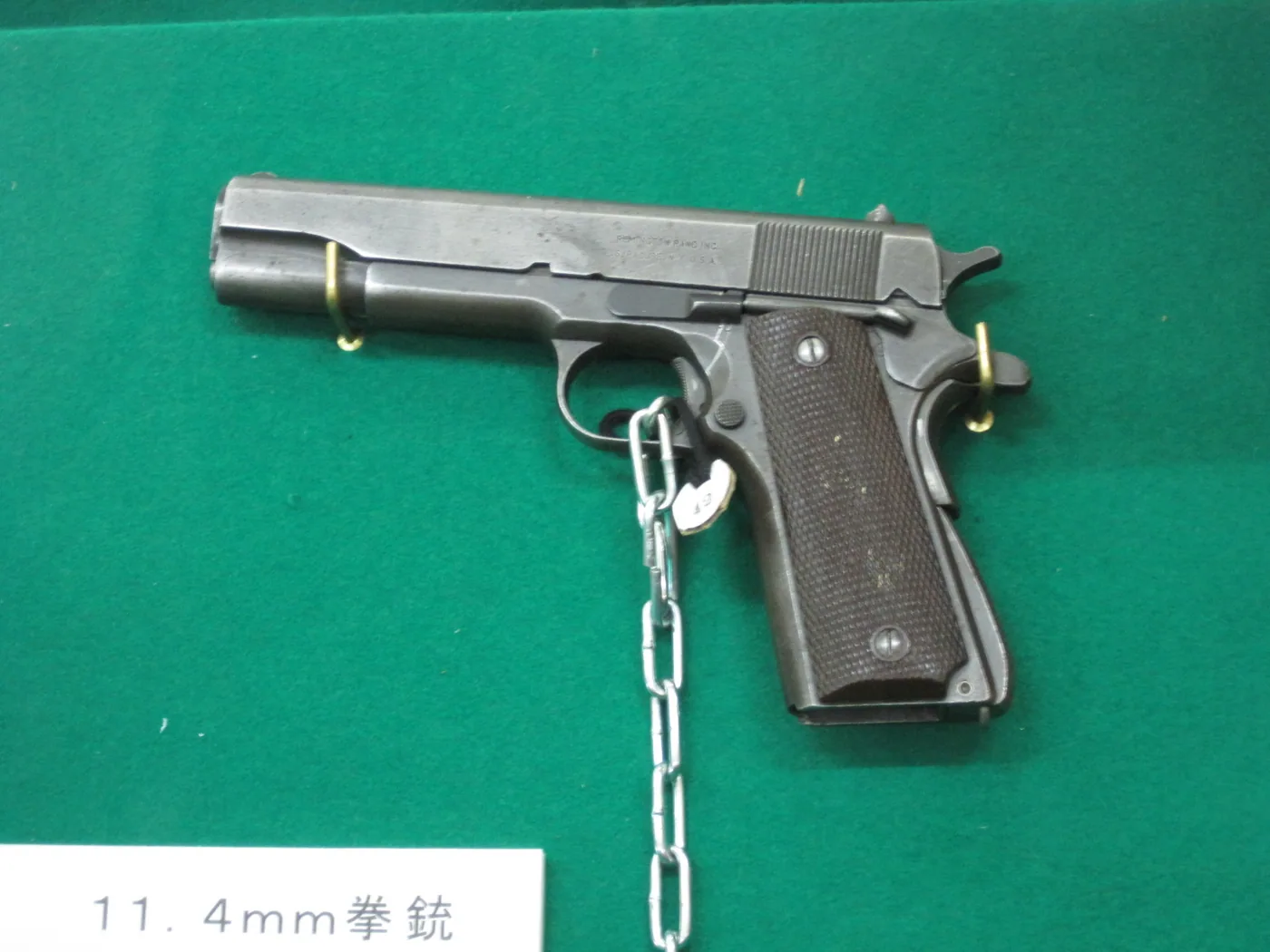
Colt's military and commercial .45 ACP pistol line, where wartime contract markings, inspector stamps, and original parts matter heavily to assessment.
Diamondback
A smaller-frame double-action revolver related to the Python's lineage, collected for its fit and finish quality.
AR-15 / M16 rifles
Colt's semi-automatic and military rifle platform, where receiver markings and contract history distinguish early commercial and government-marked examples.