Specialty value topic
Military Surplus Firearm Values: What Actually Matters
Military surplus firearms are judged on a different set of criteria than commercial guns, since originality of configuration and documented history carry significant weight. Arsenal markings, import stamps, and matching serial numbers are the details that separate a common surplus rifle from a scarcer variant.
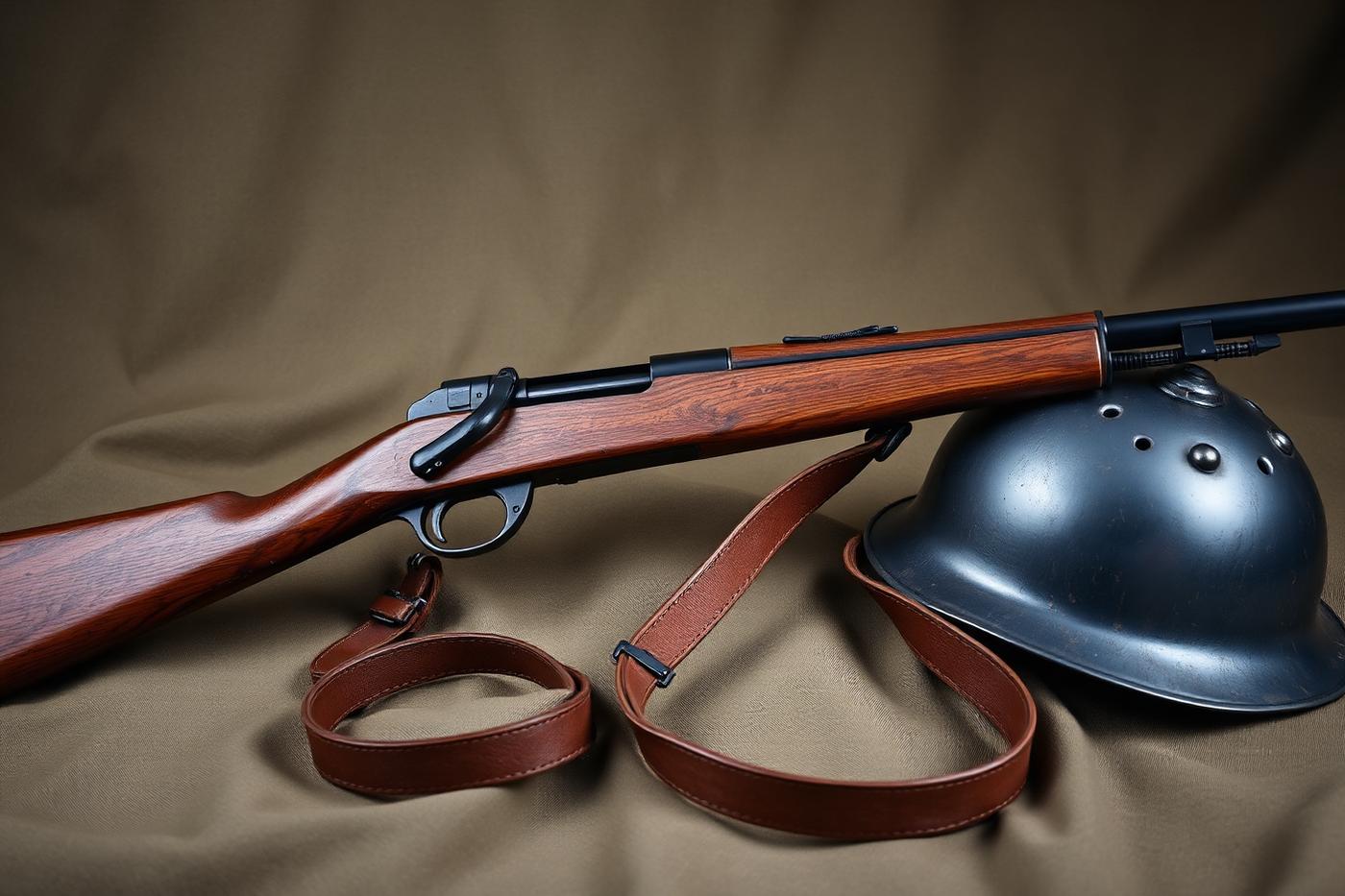
Import marks and country of origin
The country an arsenal produced a rifle in, and the importer that later brought it into the U.S. market, both affect how a surplus firearm is assessed. Certain importers and arsenals are associated with better-preserved lots than others.
Matching numbers across parts
Bolt, receiver, magazine, and sometimes barrel or stock will carry serial or assembly numbers on many surplus rifles. Whether these numbers match across the rifle is one of the first things examined.
Original versus sporterized configuration
A rifle still in its issued military configuration, with original sights, stock, and furniture, is assessed differently than one that has been cut down, restocked, or drilled for a scope.
Bore and mechanical condition
Surplus rifles often saw hard service, so corrosive-ammunition wear in the bore and overall mechanical tightness of the action are examined closely.
Accompanying accessories
Bayonets, cleaning kits, slings, and spare magazines that are correct to the specific rifle add completeness that is factored into the overall picture.
Military Surplus Firearms: common questions
Related to Military Surplus Firearms
Ready to See What Your Firearm Is Worth?
Send us the details and photos. We evaluate the firearm and respond with a direct purchase offer, generally within approximately 72 hours.