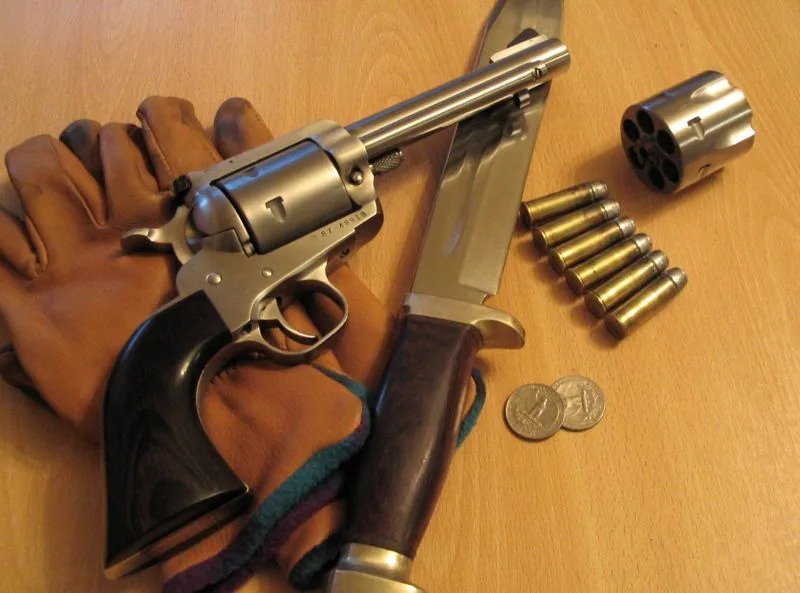
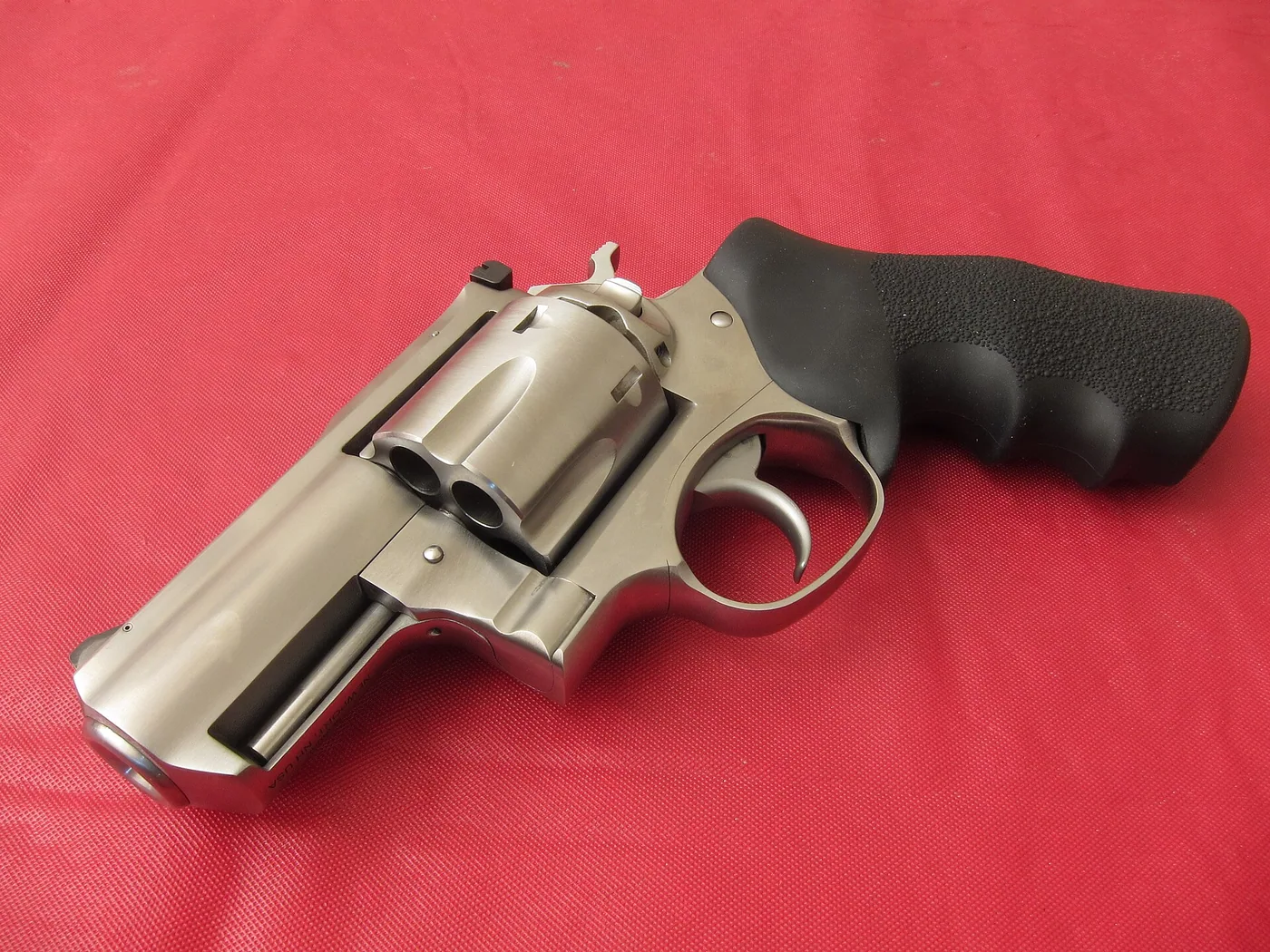
Sturm, Ruger & Co. is a Connecticut-founded manufacturer known for rugged, widely produced revolvers, semi-automatic pistols, and bolt-action and semi-automatic rifles.
Find your model below for a general estimated selling range, then submit a few details for your actual offer. These ranges reflect what common Ruger models may typically sell for based on model, configuration, condition and current market demand.
Two firearms with the same model name can have very different values. Condition, exact variant, caliber, finish, included accessories, modifications and current market demand can all affect what we can pay.
The ranges above are intended to give you a useful starting point. Your actual offer is based on the firearm you submit.
Fair
Usually toward the lower portion of the range.
Good
Generally within the middle of the range.
Excellent
May qualify toward the higher end of the range.
Condition alone does not determine placement within a range. Variant, configuration, demand, modifications and included accessories can also materially affect value.
Estimated ranges are provided for general informational purposes and are not guaranteed purchase offers or appraisals. Actual offers depend on the exact firearm, variant, condition, configuration, accessories, current market conditions and other relevant factors. Pricing may change over time.
About Ruger
Sturm, Ruger & Co. was founded in 1949 by William B. Ruger and Alexander Sturm, beginning with the Ruger Standard .22 semi-automatic pistol before expanding into revolvers, centerfire rifles, and shotguns. The company built a reputation for practical, durable designs manufactured with investment-casting techniques that allowed for efficient production without sacrificing strength. Ruger has remained a major American manufacturer for over seven decades, with a product catalog spanning rimfire pistols to large-frame single-action revolvers.
Collector interest in Ruger tends to focus on early production variants, discontinued models, and single-action revolvers that echo 19th-century Colt designs, such as the Blackhawk and Vaquero lines. The company's Mini-14 and 10/22 rifles have long production histories with many variations, while the No. 1 single-shot rifle and Model 77 bolt-action line appeal to hunters and rifle collectors alike. Ruger also acquired Marlin Firearms in 2020, adding lever-action rifle production to its portfolio.
Because Ruger's designs have often stayed in production for decades with incremental changes, identifying the specific variant, transfer bar or non-transfer bar safety type on single actions, and caliber configuration is central to understanding an individual firearm's place within the model's history.
Models
Ruger models we evaluate
Each model page explains the variations, markings and condition factors that move the number on that specific firearm.
Blackhawk, Vaquero, and related single-action revolvers inspired by 19th-century Colt designs, produced with modern metallurgy and safety features.
Double-action revolvers
Security-Six, GP100, and Redhawk double-action revolver lines produced for both duty and sporting use.
Semi-automatic pistols
Rimfire pistols beginning with the Standard/Mark series, along with centerfire lines such as the P-series and modern striker-fired pistols.
Rifles
Bolt-action Model 77 and American rifle lines, the semi-automatic 10/22 and Mini-14, and the No. 1 single-shot rifle.
Valuation
What affects Ruger firearm values
These are the characteristics we assess on the specific firearm in front of us — not a model-number price chart.
Factor 1
Production era and age
Early production runs of a given model, or examples from a model's first years before design changes, are generally distinguished from later, longer-running production.
Factor 2
Condition
Wear to the finish, action smoothness, and bore condition affect how a Ruger firearm compares to others of the same model and vintage.
Factor 3
Originality
Factory grips, original sights, and unmodified internal parts are weighed against aftermarket upgrades common on Ruger's more customization-friendly platforms like the 10/22.
Factor 4
Factory configuration and chambering
Barrel length, caliber, and features such as adjustable sights or stainless versus blued finish define specific variants within a model line.
Factor 5
Special editions and variants
Limited-run calibers, distributor-exclusive models, and discontinued variants are considered separately from Ruger's ongoing standard catalog production.
Factor 6
Documentation
Original boxes, manuals, and included accessories such as extra magazines or grip panels support a Ruger firearm's completeness and original configuration.
Factor 7
Collector demand
Certain discontinued models and early single-action variants attract more sustained interest than Ruger's high-volume current-production firearms.
Notable Ruger model families
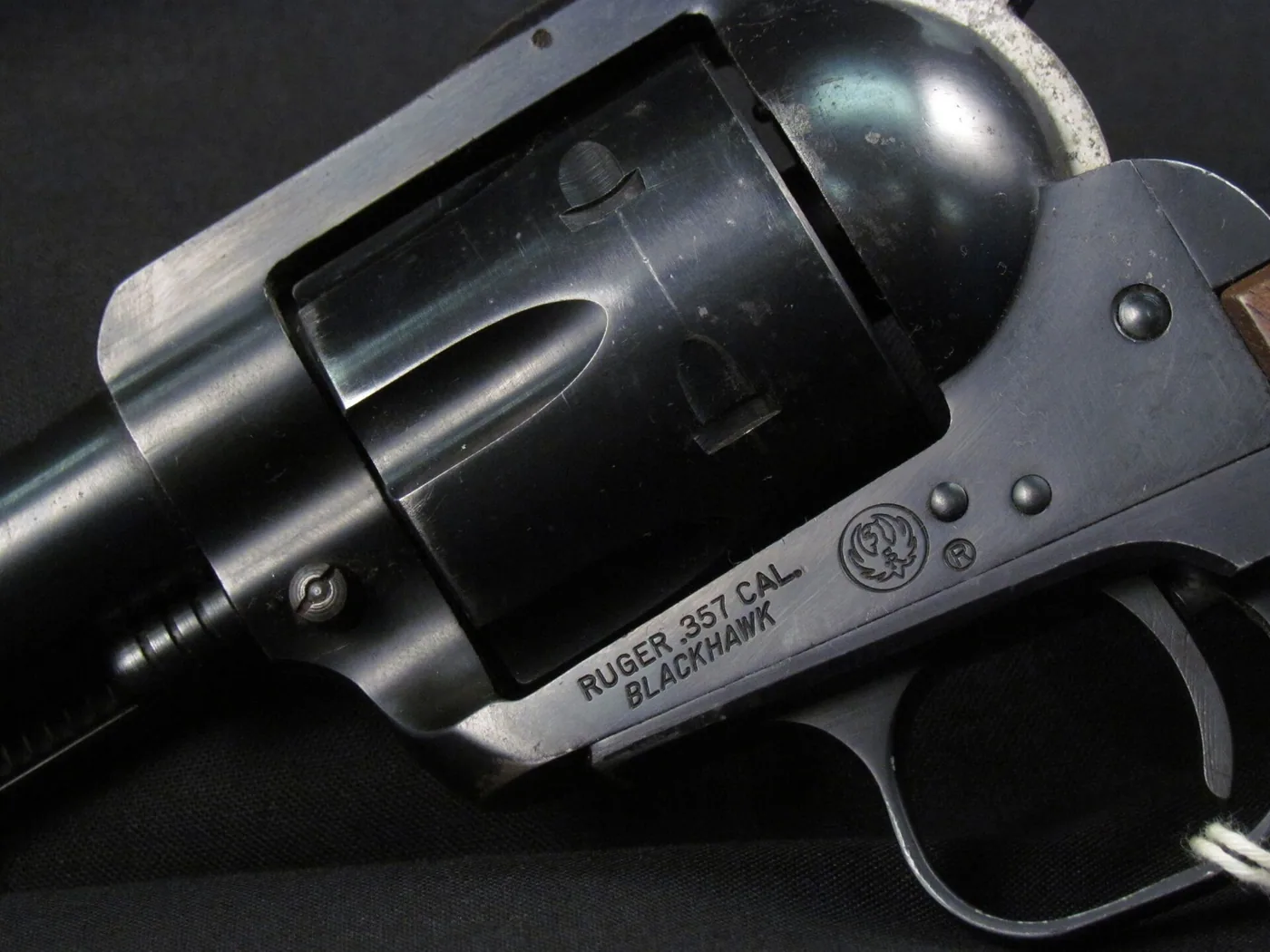
Blackhawk
A single-action centerfire revolver line with both original ('three-screw') and later transfer-bar safety versions, a key distinction for collectors.
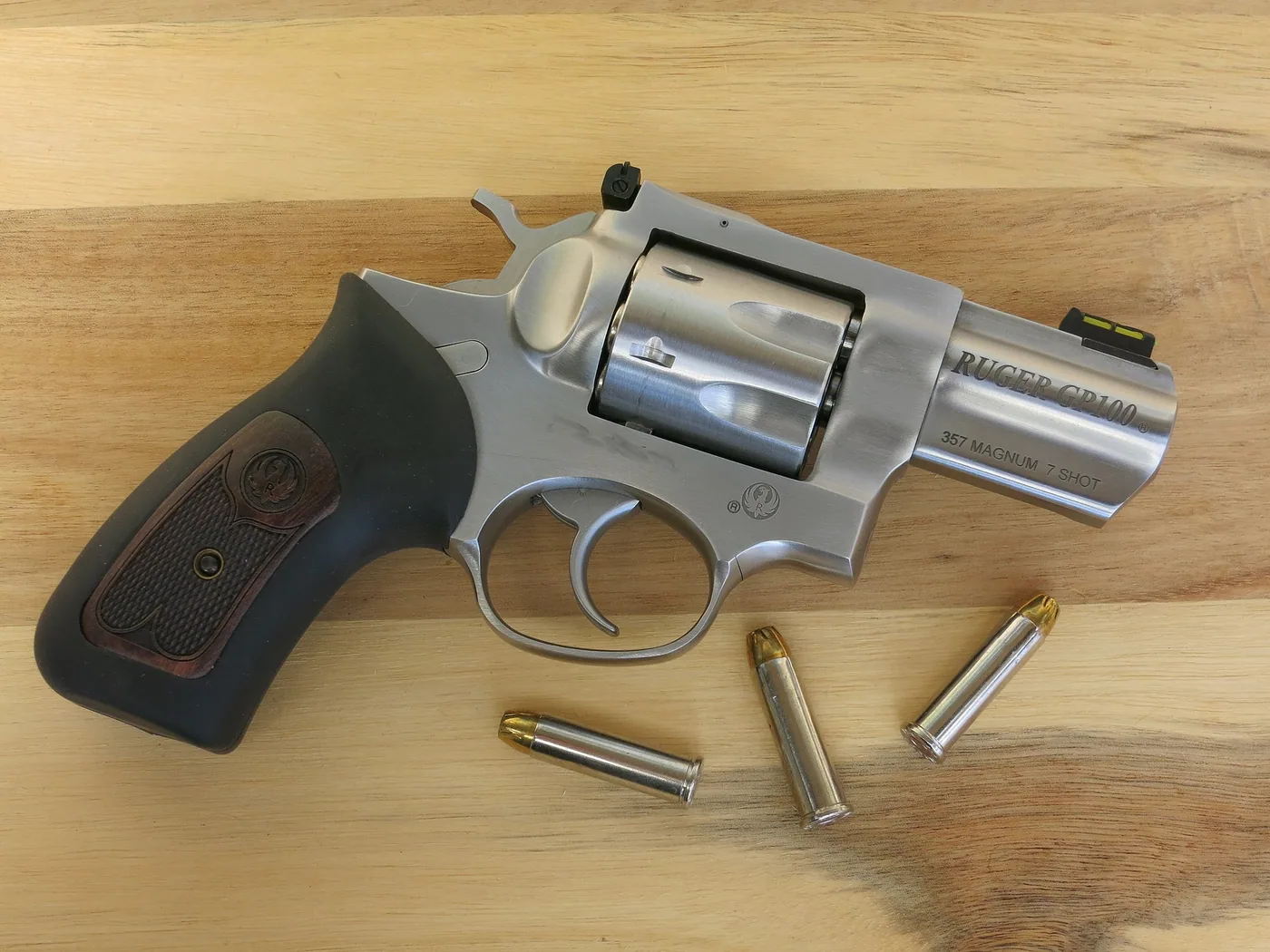
GP100
A double-action .357 Magnum revolver known for its solid frame and duty use, valued largely on condition and configuration.
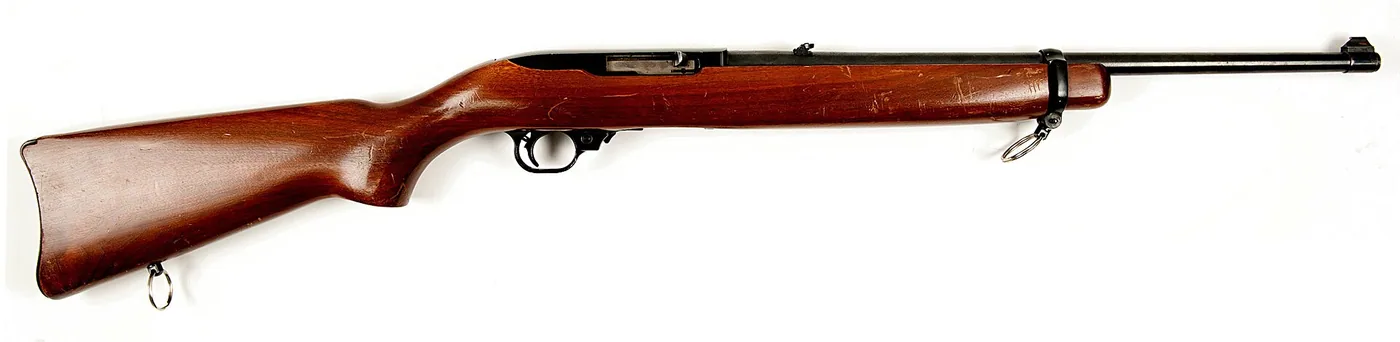
10/22
A long-running semi-automatic .22 LR rifle with an enormous range of factory and aftermarket variants, where original factory configuration matters for collecting.
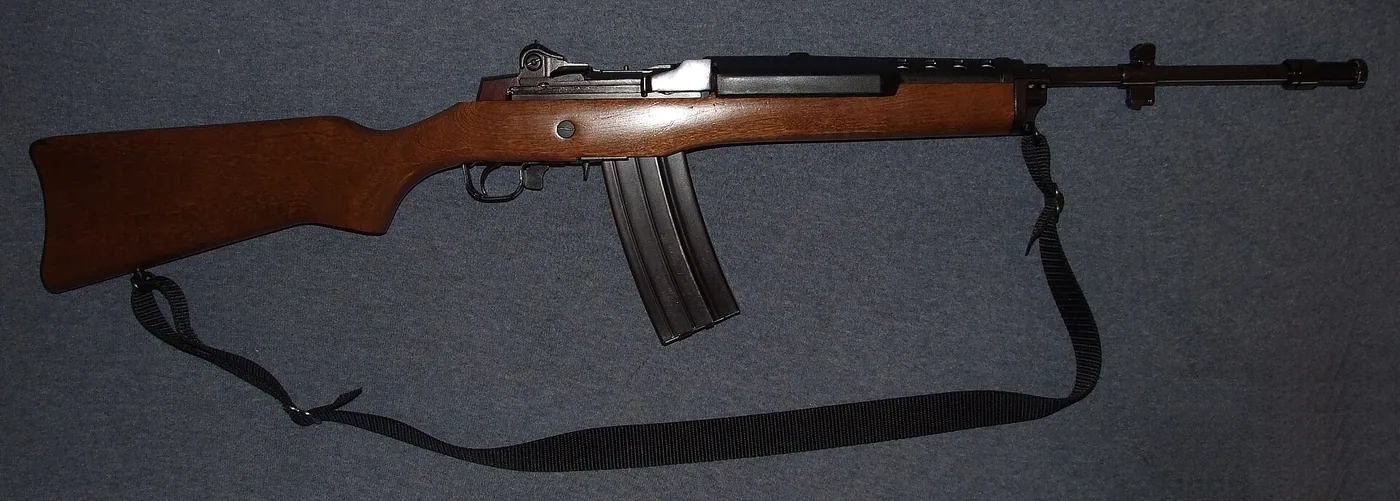
Mini-14
A semi-automatic rifle based on the M14 design, with ranch and tactical variants produced across many years.
Model 77
Ruger's bolt-action centerfire rifle line, produced in numerous calibers and stock configurations for hunting and sporting use.
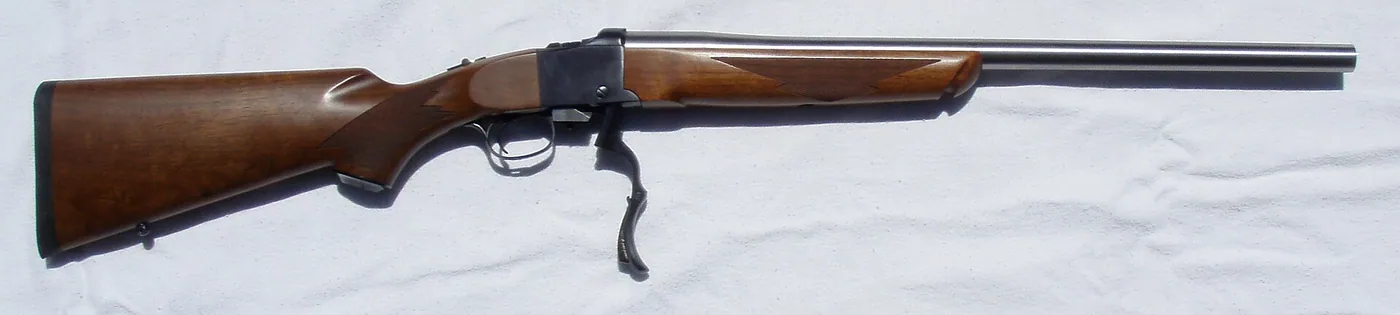
No. 1
A single-shot falling-block rifle valued by collectors for its distinctive action and range of factory chamberings.
.jpg)