Glock · Semi-automatic pistol
Glock 26 Value
The Glock 26 is a subcompact, striker-fired 9mm pistol built as a smaller, more concealable alternative within the Glock lineup, sometimes referred to informally as the 'Baby Glock.' It uses a shortened grip and slide while accepting Glock 17 and 19 magazines for extended capacity when needed.
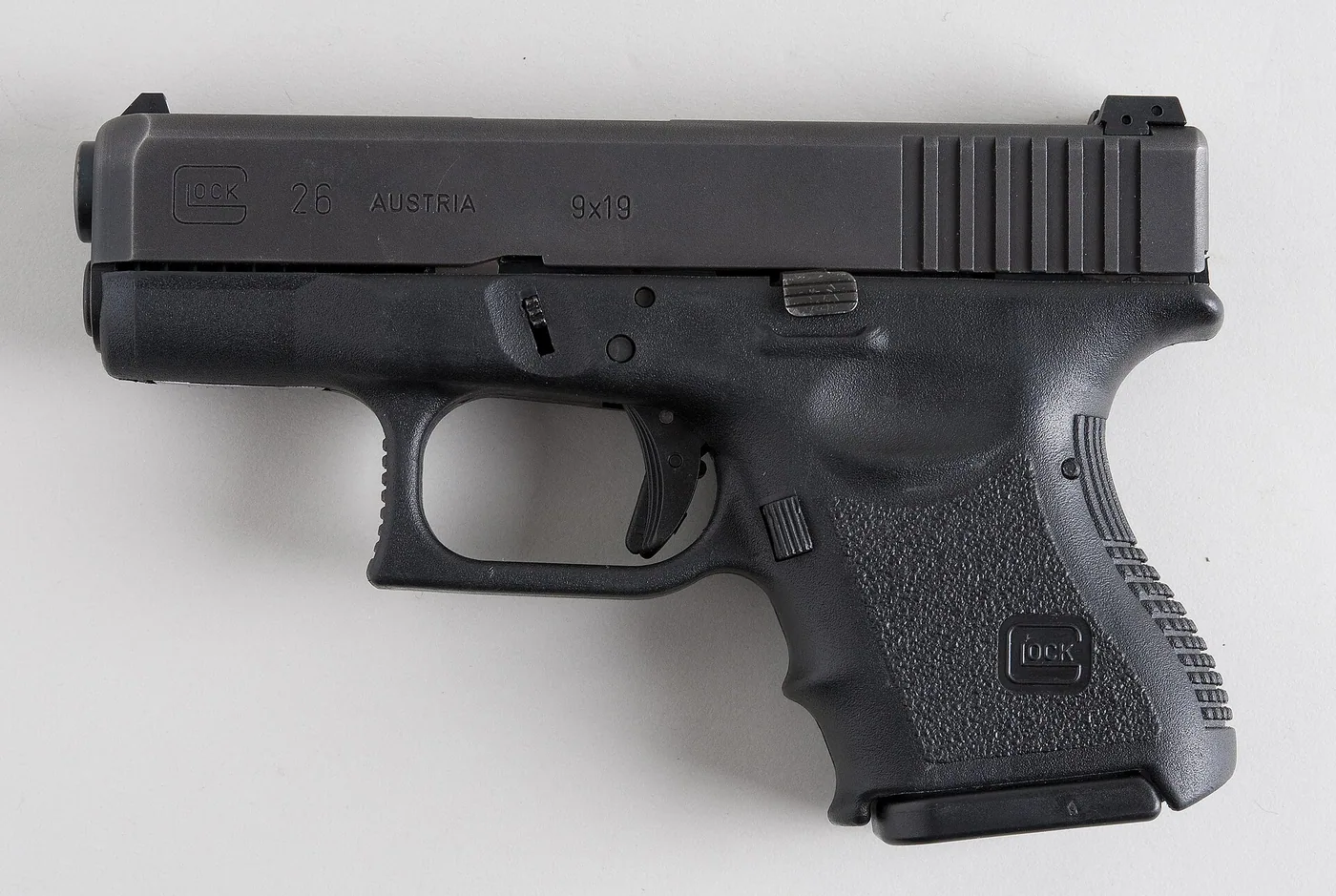
.jpg)
- Type
- Semi-automatic pistol
- Production
- Introduced in the mid-1990s as a subcompact concealed-carry version of the Glock 17 platform
- Maker
- Glock
About the Glock 26
The Glock 26 is a subcompact, striker-fired 9mm pistol built as a smaller, more concealable alternative within the Glock lineup, sometimes referred to informally as the 'Baby Glock.' It uses a shortened grip and slide while accepting Glock 17 and 19 magazines for extended capacity when needed.
The 26 has progressed through the same generational changes seen across the Glock line, and later production has included MOS optic-ready variants for shooters who want a red dot on a subcompact carry pistol.
Because the 26 is primarily used for concealed carry, buyers evaluating one typically focus on holster wear, finish condition, and whether factory parts remain in place.
Variations
Glock 26 variations that matter
Configuration is often the difference between two otherwise identical examples.
Gen3
Standard configuration with an accessory rail-free subcompact frame in early production.
Gen4
Added interchangeable backstraps and dual recoil spring assembly.
Gen5
Removed finger grooves and updated barrel rifling on many models.
MOS configurations
Optic-ready slide versions offered on later production for red dot mounting.
Valuation
What affects Glock 26 value
We do not publish a price chart. These are the characteristics that determine what a specific example evaluates at.
Factor 1
Generation
Gen3 through Gen5 pistols differ in frame texture and features, and identifying the generation is part of evaluation.
Factor 2
Concealed carry wear
Because the 26 is commonly carried daily, holster wear and finish condition are practical inspection points.
Factor 3
MOS optic-ready slides
Optic-cut slides are assessed as a distinct configuration from standard slides.
Factor 4
Factory versus aftermarket parts
Original barrel, sights, and trigger components as opposed to aftermarket replacements affect how original a pistol is relative to factory configuration.
Factor 5
Included magazines
Whether the pistol includes its subcompact magazines, and any extended magazines, affects completeness.
Factor 6
Case and documentation
Original box and manual contribute to overall presentation.
Glock 26: common questions
Related to the Glock 26
Manufacturers
Firearms we buy
Selling a Glock 26?
Send the details and photographs and we will evaluate the example you actually own.