Glock · Semi-automatic pistol
Glock 21 Value
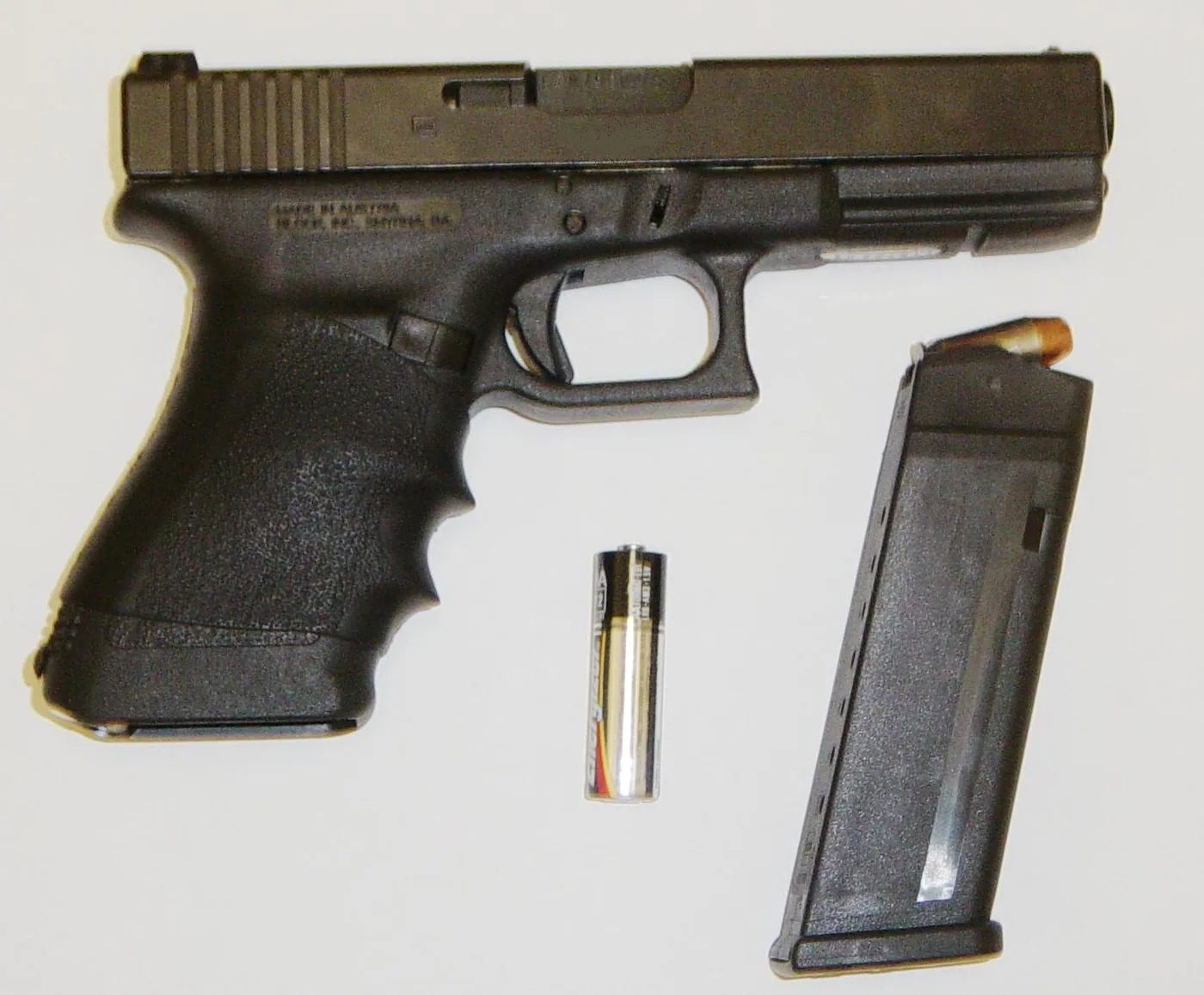
The Glock 21 is a full-size, striker-fired pistol chambered in .45 ACP, built on a slightly wider frame than the 9mm-chambered Glock 17 to accommodate the larger cartridge. It has seen use among law enforcement agencies and civilian shooters who prefer the .45 ACP chambering.

- Type
- Semi-automatic pistol
- Production
- Introduced in the early 1990s as a full-size pistol chambered in .45 ACP
- Maker
- Glock
About the Glock 21
The Glock 21 is a full-size, striker-fired pistol chambered in .45 ACP, built on a slightly wider frame than the 9mm-chambered Glock 17 to accommodate the larger cartridge. It has seen use among law enforcement agencies and civilian shooters who prefer the .45 ACP chambering.
The pistol has progressed through the same generational lineage as other Glock models, with SF (Short Frame) versions offered to reduce trigger reach for shooters with smaller hands.
As a full-size duty-oriented pistol, buyers evaluating a Glock 21 typically weigh generation, frame configuration, and wear consistent with duty or range use.
Variations
Glock 21 variations that matter
Configuration is often the difference between two otherwise identical examples.
Gen3
Standard configuration with an accessory rail and finger-grooved frame.
Gen4
Added interchangeable backstraps and dual recoil spring assembly.
SF (Short Frame) configurations
A frame variant with reduced trigger reach for shooters with smaller hands.
Slimline (Glock 21SF) versus standard
SF versions have a narrower grip profile compared to earlier standard-frame 21s.
Valuation
What affects Glock 21 value
We do not publish a price chart. These are the characteristics that determine what a specific example evaluates at.
Factor 1
Generation and frame configuration
Gen3, Gen4, and SF-frame versions differ in grip dimensions and features, and identifying the correct configuration matters to evaluation.
Factor 2
Law enforcement provenance
Trade-in pistols with agency property markings are considered differently than commercial pistols never issued to an agency.
Factor 3
Factory versus aftermarket parts
Original barrel and internal components as opposed to aftermarket replacements affect how original a pistol is relative to factory configuration.
Factor 4
Holster and duty wear
Finish wear and holster marks reflect the amount of duty or range use a pistol has seen.
Factor 5
Caliber-specific demand
.45 ACP magazine and ammunition availability is a consideration alongside general condition.
Factor 6
Included magazines and case
Factory magazines, box, and manual contribute to overall completeness.
Glock 21: common questions
Related to the Glock 21
Manufacturers
Firearms we buy
Specialty value topics
Selling a Glock 21?
Send the details and photographs and we will evaluate the example you actually own.