Glock and its logo are trademarks of their owner, shown for identification only. We are an independent federally licensed buyer, not an authorised dealer.
Manufacturer value guide
Glock Firearm Values
Glock is an Austrian manufacturer credited with popularizing the polymer-framed, striker-fired semi-automatic pistol design widely adopted by law enforcement and civilian shooters.
Find your model below for a general estimated selling range, then submit a few details for your actual offer. These ranges reflect what common Glock models may typically sell for based on model, configuration, condition and current market demand.
Two firearms with the same model name can have very different values. Condition, exact variant, caliber, finish, included accessories, modifications and current market demand can all affect what we can pay.
The ranges above are intended to give you a useful starting point. Your actual offer is based on the firearm you submit.
Fair
Usually toward the lower portion of the range.
Good
Generally within the middle of the range.
Excellent
May qualify toward the higher end of the range.
Condition alone does not determine placement within a range. Variant, configuration, demand, modifications and included accessories can also materially affect value.
Estimated ranges are provided for general informational purposes and are not guaranteed purchase offers or appraisals. Actual offers depend on the exact firearm, variant, condition, configuration, accessories, current market conditions and other relevant factors. Pricing may change over time.
About Glock
Glock Ges.m.b.H. was founded by Gaston Glock in 1963 as an engineering company and entered the firearms market in 1982 when it developed the Glock 17 pistol for an Austrian military contract. The Glock 17's polymer frame, striker-fired action, and simplified design departed significantly from the traditional steel-framed, hammer-fired pistols that dominated the market at the time, and the design was rapidly adopted by law enforcement and military agencies worldwide. Glock's numbering system reflects the chronological order in which models were introduced rather than frame size alone.
Because Glock pistols share a common operating system across most of the model line, collector and buyer interest tends to focus more on generation (Gen1 through Gen5, referring to frame and internal updates), caliber, and factory configuration than on the kind of ornate variation seen in older manufacturers. Certain early production Glock 17 pistols, particularly first-generation Austrian-made examples, and factory-configured competition or law-enforcement models draw more specific interest.
Glock pistols are widely used as a base for aftermarket customization, which means that identifying original factory parts versus aftermarket slides, barrels, and sights is an important part of assessing a specific pistol's originality and configuration.
Models
Glock models we evaluate
Each model page explains the variations, markings and condition factors that move the number on that specific firearm.
The Glock 17 and 22 platforms, originally developed for military and law enforcement use.
Compact and subcompact pistols
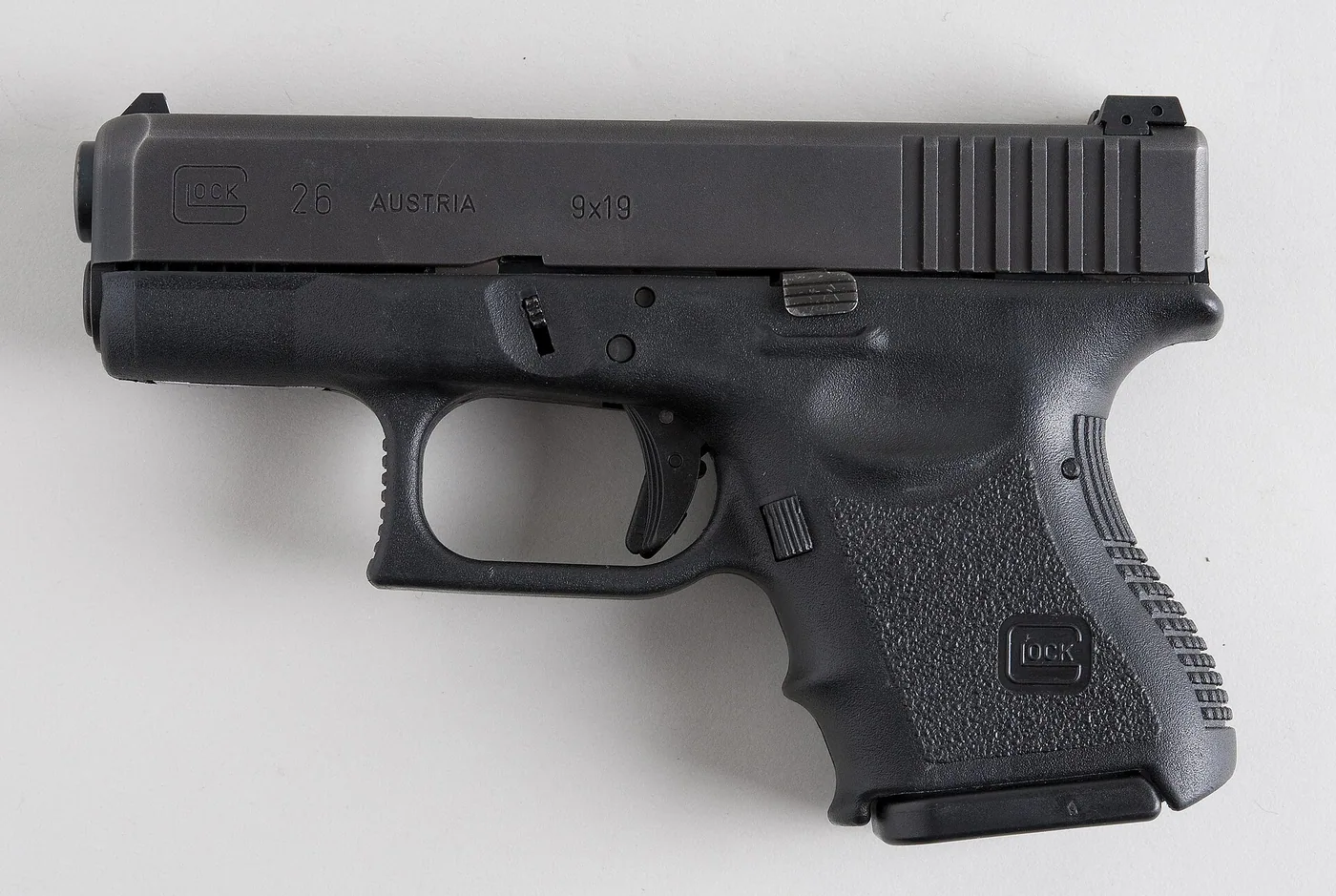
Models such as the Glock 19, 23, 26, and 27, designed for concealed carry and off-duty use.
Competition and long-slide models
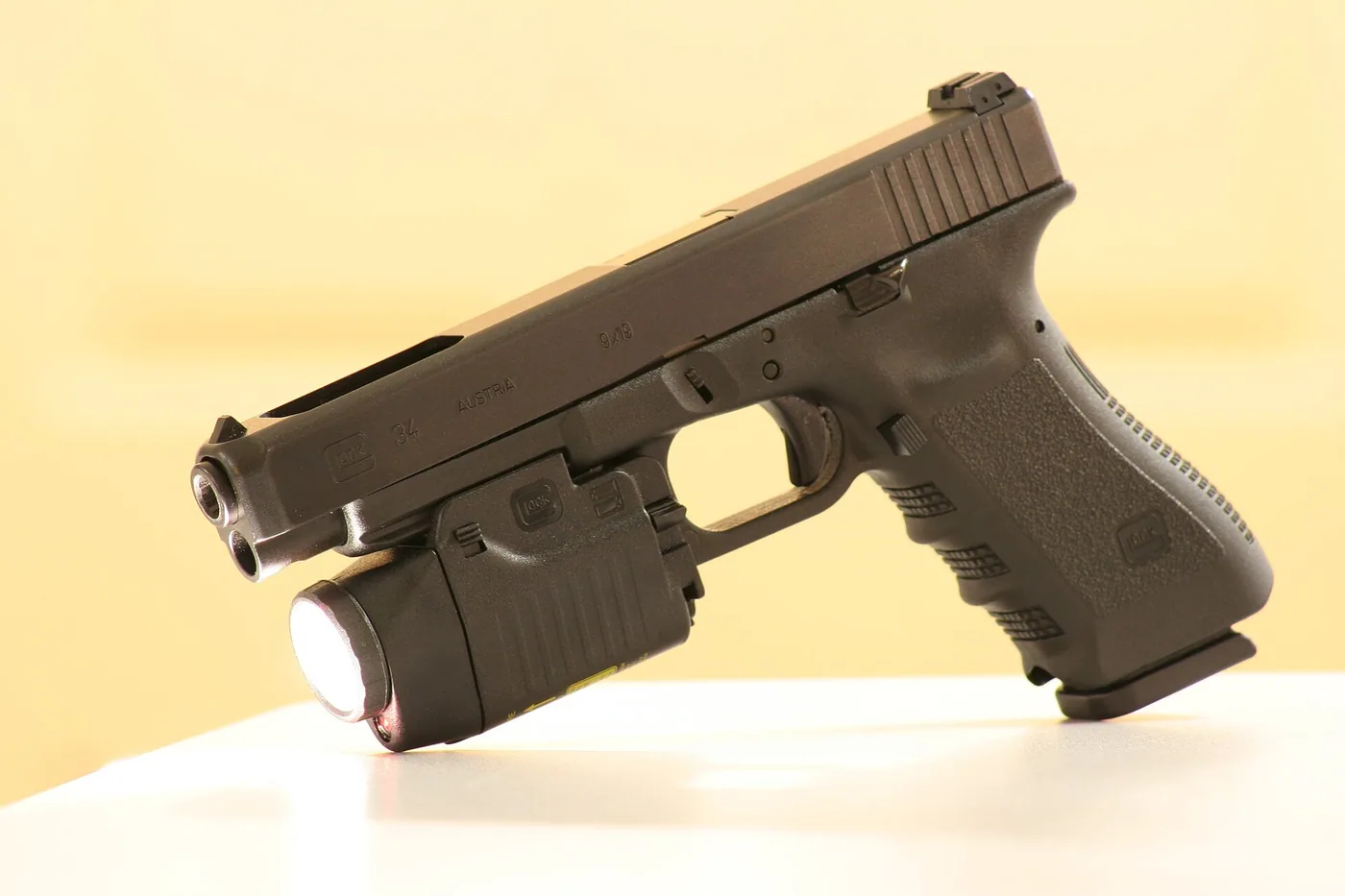
Models such as the Glock 34 and 35, built with extended slides and barrels for competitive shooting.
Large-frame and specialty models
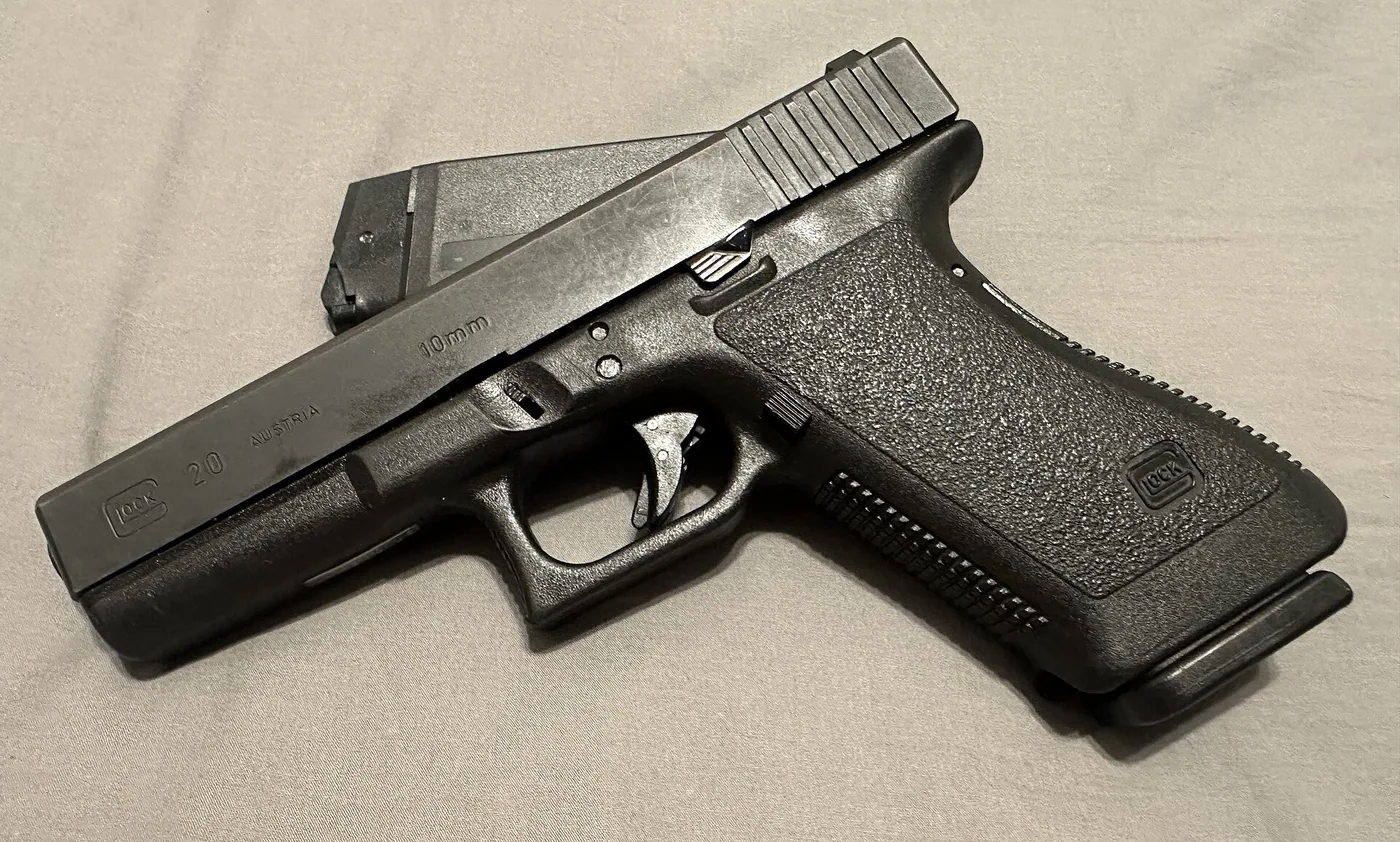
Models chambered in 10mm and .45 ACP, along with specialty configurations for specific markets.
Valuation
What affects Glock firearm values
These are the characteristics we assess on the specific firearm in front of us — not a model-number price chart.
Factor 1
Production era and generation
Glock's generational changes (Gen1 through Gen5) affect frame texture, internal components, and features, and are a primary reference point for identifying a specific pistol.
Factor 2
Condition
Holster wear, slide finish condition, and barrel wear are assessed relative to how the pistol has been carried and used.
Factor 3
Originality
Factory barrels, slides, sights, and internal parts are weighed against the extensive aftermarket parts commonly installed on Glock pistols.
Factor 4
Factory configuration and chambering
Caliber, frame size, and factory options such as night sights or threaded barrels define specific factory variants.
Factor 5
Special editions and law-enforcement models
Factory-marked law enforcement or agency-contract pistols, and limited commemorative or exclusive models, are considered a distinct category from standard commercial production.
Factor 6
Documentation
Original case, manual, and included magazines support a Glock pistol's completeness, and any documentation of agency issue can be relevant for specific models.
Factor 7
Collector demand
Early first-generation Austrian production and certain agency-marked or limited pistols draw more specific collector interest than current standard production.
Notable Glock model families
Glock 17
Glock's original full-size 9mm pistol developed for the Austrian military, foundational to the company's entire model line.
Glock 19
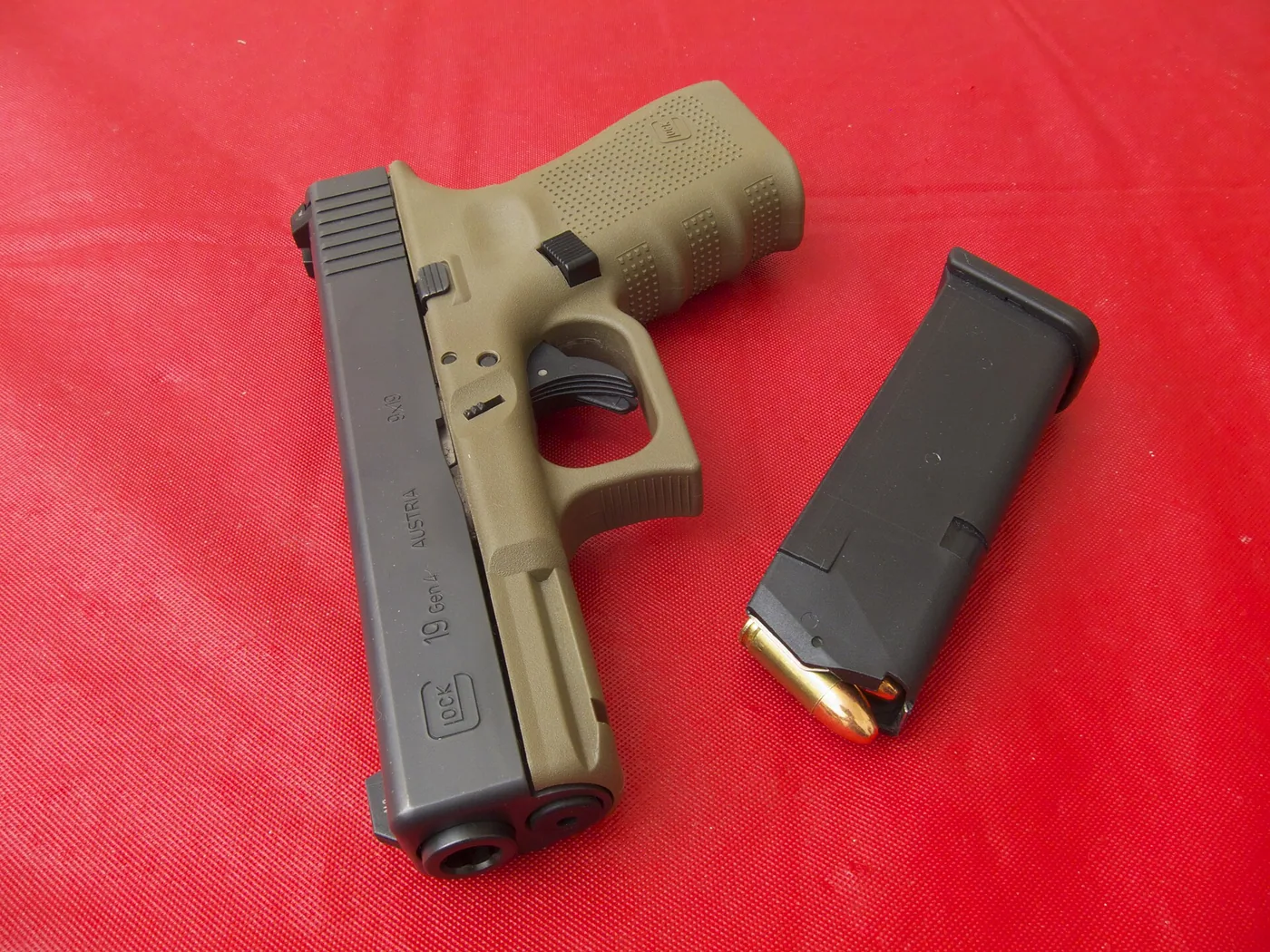
A compact 9mm pistol widely adopted for both duty and concealed carry use, one of the most recognized models in the lineup.
Glock 22
A full-size .40 S&W pistol widely issued to U.S. law enforcement agencies through the 1990s and 2000s.
Glock 26
A subcompact 9mm pistol designed for concealed carry, sharing magazine compatibility with larger 9mm Glock models.
Glock 34
A long-slide 9mm competition model built for practical and competitive shooting sports.