Smith & Wesson · Double-action revolver
Smith & Wesson Model 686 Value
The Smith & Wesson Model 686 is a stainless steel L-frame double-action revolver chambered in .357 Magnum, introduced in 1980 to address durability concerns that arose from sustained magnum use in the smaller K-frame Model 19. The L-frame provided a heavier frame and cylinder while retaining a size close to the K-frame family.
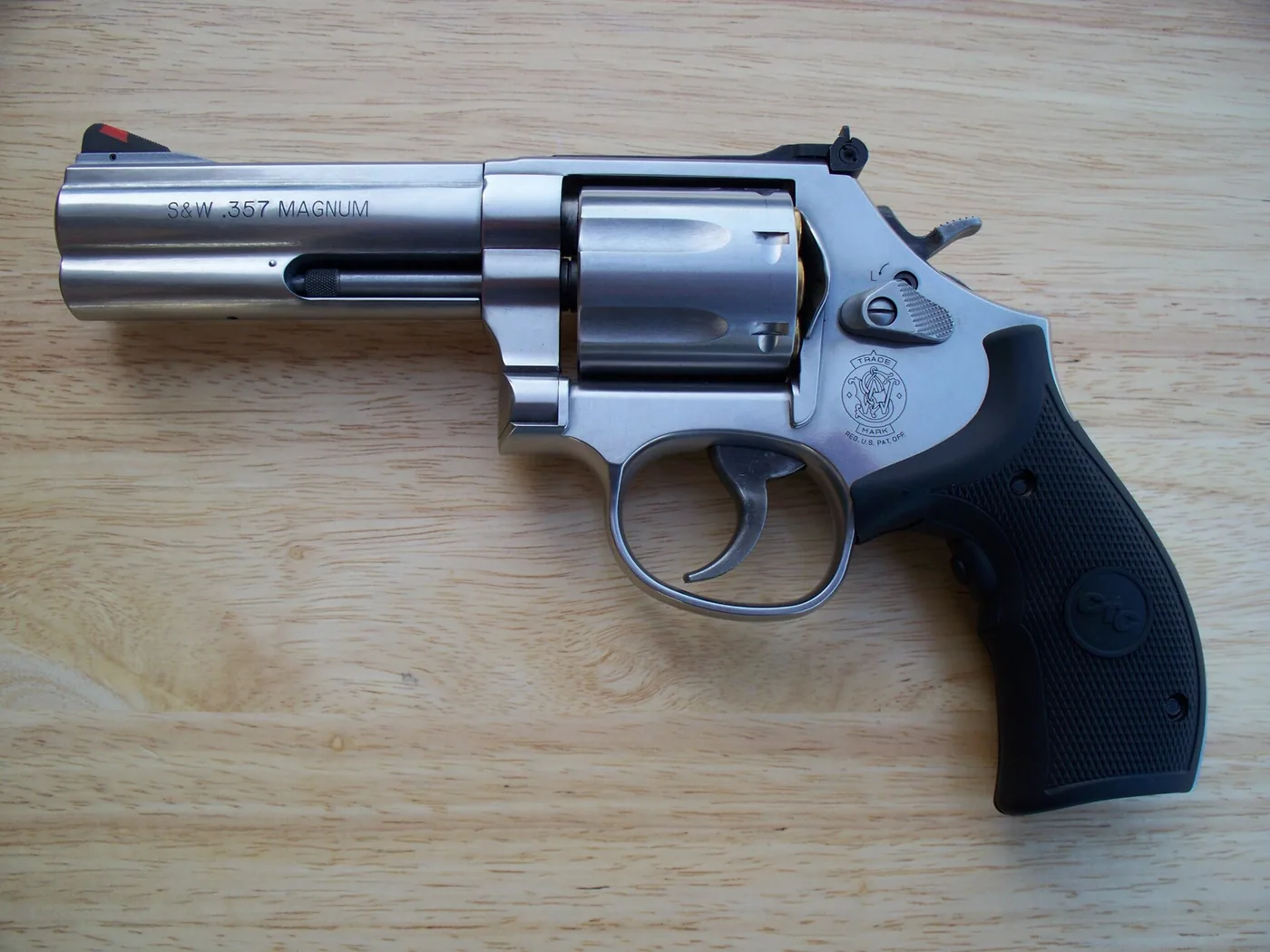

- Type
- Double-action revolver
- Production
- 1980 to the present
- Maker
- Smith & Wesson
About the Smith & Wesson Model 686
The Smith & Wesson Model 686 is a stainless steel L-frame double-action revolver chambered in .357 Magnum, introduced in 1980 to address durability concerns that arose from sustained magnum use in the smaller K-frame Model 19. The L-frame provided a heavier frame and cylinder while retaining a size close to the K-frame family.
The Model 686 has remained in continuous production with periodic updates, including seven-shot cylinder versions introduced later in its history, and it has been offered in multiple barrel lengths for duty, hunting, and sport shooting use.
Because the Model 686 has been produced for decades with various minor updates, dash-number suffixes in its model designation help identify specific engineering changes made over the model's long production run.
Variations
Smith & Wesson Model 686 variations that matter
Configuration is often the difference between two otherwise identical examples.
Standard six-shot cylinder
Original configuration offered in .357 Magnum with a six-round cylinder.
Plus (Model 686 Plus) seven-shot cylinder
Later variant introduced with a seven-round cylinder capacity in the same L-frame envelope.
Barrel lengths
Offered with 2.5-inch, 4-inch, 6-inch, and 8.375-inch barrels depending on the specific production run.
Dash-number variants
Successive engineering changes are denoted by dash numbers following the model number, reflecting internal updates over the production run.
Valuation
What affects Smith & Wesson Model 686 value
We do not publish a price chart. These are the characteristics that determine what a specific example evaluates at.
Factor 1
Six-shot versus seven-shot cylinder
Standard six-shot and later seven-shot Plus versions are considered distinct configurations during evaluation.
Factor 2
Barrel length
Longer barrel lengths such as the 8.375-inch target configuration are treated separately from more common 4-inch and 6-inch guns.
Factor 3
Dash-number and production era
The specific dash-number variant helps identify when a given gun was produced and what internal updates it includes.
Factor 4
Condition of the stainless finish
Because the 686 is finished in stainless steel, scratches and holster wear are evaluated differently than on a blued revolver but are still relevant to condition.
Factor 5
Pre-lock versus post-lock production
Guns produced before the early 2000s lack the later internal lock found on more recent production.
Factor 6
Originality of grips and sights
Factory grips and adjustable sight components are weighed against aftermarket replacements.
Smith & Wesson Model 686: common questions
Related to the Smith & Wesson Model 686
Manufacturers
Firearms we buy
Specialty value topics
Selling a Smith & Wesson Model 686?
Send the details and photographs and we will evaluate the example you actually own.